Bonus Idea #6 for Summer Thinking Activities: Gifted Kids and Hobbies

Hello, and welcome to the sixth and final article in my bonus series of, “How to keep your Gifted Kid Thinking all Summer” based on my original post, My Favorite Things: Fun Summertime Activities to Challenge Gifted Kids. I’m so glad you dropped in on this article! Let’s dive in!

What do the following items have in common: crocheting, baseball card collecting, rock collecting, playing guitar, or baking? Do you give up? They are all potential hobbies that gifted kids could take up over the summer!

No time is better than the summer for kids- gifted or not- to try something new or explore an interest area more deeply. Sometimes, hobbies that kids develop in elementary and middle school grow into careers, businesses, or just regular hobbies when they become adults. My grandfather was an avid collector of international stamps, a hobby he started in his youth. I have fond memories of spending part of my summer vacation each year living with my grandparents in New York City. I would watch him pull out his stamp collection books each night to mount a new stamp or two that he got that day. He would tell me stories about the stamp or about the country from which it came. Collecting those stamps gave him hours of entertainment and joy!

Hobbies aren’t just fun, though; they are truly intellectual pursuits. Learning new things always helps synapses in our brains grow. In addition, each hobby- whether it’s collecting something or doing something- has its own set of built-in skills for kids to tackle, which keeps their brains sharp over the summer break.

So, what might be a good hobby for your gifted child to pursue? According to Google AI, here are some possible hobbies that are popular with kids in grades K-12 (Please note: This article contains a few links to Amazon. As an Amazon Associate, I earn from qualifying purchases.).

  1. Drawing – Drawing is a great way for gifted kids to exercise creativity. There are so many different styles of drawing, media for drawing, and subjects for drawing. For example, your child might love animals and decide that she wants to learn to draw cute, cartoon-like animals using pencil. She can do that! The possibilities are endless!
  • Baseball card collecting – According to Wikipedia, baseball cards have been around since 1860, and collecting these little pieces of history has never gone out of style. Whether it is baseball cards, Pokémon cards, hockey cards, etc., gifted kids thrive on sorting and organizing their card collections, as well as memorizing facts and reading about the players or fictional characters depicted on the cards. Don’t know where to begin? There’s a book for that!
  • Coding – Coding for kids has been a trend for a while now, especially since more and more schools are embedding national or state computer science and technology standards into their curricula (see Virginia’s for an example). My Google Search for researching coding for kids produced a terrific article with lots of great resources for introducing your child to coding at home:

For kids to learn coding at home, platforms like Scratch, Code.org, and Tynker offer engaging, visual, and block-based coding environments. These platforms allow kids to build games, animations, and stories, fostering creativity and problem-solving skills. Other options include CodeMonkey, which teaches real programming languages like Python, and Kodable, which provides a more structured curriculum for younger learners. [1, 2, 3, 4, 5, 6, 7]

Platforms for Different Age Groups and Skill Levels:

  • Scratch (MIT): A free, visual, block-based coding language ideal for beginners aged 8-16, allowing kids to create interactive projects. [4, 8]
  • ScratchJr: A simplified version of Scratch designed for younger children (ages 5-7), using a visual programming interface to create interactive stories and games. [9, 10]
  • Code.org: Offers a variety of coding courses, including Hour-of-Code lessons, and is suitable for kids aged 4 and older, according to Coder Kids. [2]
  • Tynker: A comprehensive platform with courses for various age groups and skill levels, including self-paced online courses for learning at home. [1, 3]
  • CodeMonkey: A game-based learning platform where kids learn real programming languages like CoffeeScript and Python. [6, 11]
  • Kodable: Offers a more structured curriculum with robust parental controls, making it suitable for both home and school use. [7, 12]
  • CodeCombat: A text-based coding game that teaches Python and JavaScript. [13, 14]
  • Swift Playgrounds (Apple): An app for iPad that uses a more sophisticated-looking interface and interactive puzzles to teach coding concepts. [8]
  • Khan Academy: Offers basic programming tutorials, including a partnership with Pixar. [8]
  • Bitsbox: Kids learn to code by modifying pre-made apps and can then use and share them on any device, according to Bitsbox – Coding for Kids. [15]

Tips for Learning at Home:

  • Start with low-code or no-code options: Platforms like Scratch and Code.org use visual blocks, making it easier for beginners to grasp coding concepts. [16, 16]
  • Make it fun and engaging: Use games, puzzles, and projects to keep kids interested and motivated. [2, 2, 16, 16]
  • Encourage creativity: Let kids design their own games, stories, and animations. [5, 5, 10, 10]
  • Provide a structured learning path: Consider platforms like Tynker or Kodable that offer organized courses. [1, 1, 12, 12]
  • Consider live online classes: For personalized guidance and support, explore platforms that offer live online coding classes for kids. [17, 17, 18, 18]
  • Utilize free resources: Many platforms offer free introductory lessons and tutorials to get started. [8, 8, 19, 19]
  • Practice regularly: Consistent coding practice is key to developing skills and building confidence. [7, 20, 20, 21, 22]
  • Join online communities: Connect with other young coders for support, inspiration, and to share projects. [20, 20, 23]

References (AI responses may include mistakes, but all links worked as of publishing time.)

[1] https://www.tynker.com/

[2] https://www.coderkids.com/blog/top-10-free-coding-programs-for-kids

[3] https://www.northshoremums.com.au/home-learning-amazing-online-education-websites/

[4] https://www.create-learn.us/blog/coding-platforms-for-kids/

[5] https://www.create-learn.us/blog/how-to-teach-kids-programming/

[6] https://www.codemonkey.com/

[7] https://www.kodable.com/

[8] https://abqlibrary.org/kidsathome/freecoding

[9] https://www.codewizardshq.com/coding-for-kids-free/

[10] https://www.jetlearn.com/blog/kids-coding-languages

[11] https://itsmybot.com/top-coding-programs-for-kids-in-2023/

[12] https://stackoverflow.blog/2021/01/12/want-to-teach-your-kids-to-code-here-are-three-apps-that-can-help/

[13] https://www.codewizardshq.com/coding-websites-for-kids/

[14] https://www.98thpercentile.com/blog/codecombat-for-kids

[15] https://bitsbox.com/

[16] https://www.create-learn.us/blog/intro-to-coding-for-kids/

[17] http://www.futurite.in/coding-online/

[18] https://www.hopeinthechaos.com/computer-coding-for-students-from-codewizardshq-review/

[19] https://www.linkedin.com/pulse/30-free-best-online-learning-platform-kids-edvon

[20] https://www.geeksforgeeks.org/how-to-learn-programming/

[21] https://www.softwareacademy.co.uk/the-best-tools-and-platforms-for-game-coding-for-kids/

[22] https://emeritus.org/in/learn/what-is-coding/

[23] https://griffpatch.academy/

  • Playing a musical instrument – The brain research behind playing a musical instrument is robust (here is a short TED-Ed Talk about the benefits to the brain from playing a musical instrument). Just like with drawing, there are endless possibilities of musical instruments that your gifted child could play. Here is a fun little instrument for anyone to play: the musical spoons!
  • Gardening – Nothing gets kids connected to the earth more deeply than gardening. Whether it’s a tiny window garden or a large, raised garden bed, many kids love getting their hands in the dirt and nurturing flowers or vegetables to grow. It goes without saying that there are tons of science lessons inherent to gardening, as well. Why not have your child try a little gardening this summer with a windowsill grow kit?
  • Reading – Reading was my absolute favorite hobby all throughout my childhood and teen years, and honestly, it still is (I once read the first 25 books in the Nancy Drew series when I was home for 2 weeks after tonsil surgery in the 2nd grade!). Reading can be a completely free hobby with a library card, and it allows gifted kids to transport themselves into other worlds, places, and experiences (vicariously, of course).

So, which of these hobbies might be good for your child to keep him or her thinking all summer long? What other hobby ideas do you have? Please post them here!

I have enjoyed sharing my six bonus ideas with you to help you keep your gifted child thinking all summer long. I wish you and your family the happiest of summers, and please feel free to reach out with any thoughts, ideas, or questions. Happy summer!! ~Ann

Bonus Idea #5 for Summer Thinking Activities: Volunteering for Gifted Kids

Hello, again! Today, I’m writing about my 5th bonus idea to extend my article from last summer that I reposted a few days ago: My Favorite Things: Fun Summertime Activities to Challenge Gifted Kids. Enjoy!


Swimming, baseball games, snow cones… volunteering? We don’t normally associate volunteering as a summer activity unless your child is in high school earning volunteer hours for school honor societies or to record for future college applications. However, volunteering is a great summer pursuit for gifted kids- and all kids- of any age.

Volunteering is a form of service learning, which is when teachers combine instruction in various content areas and service. There are many benefits for gifted students who experience service learning such as leadership development, exploration of an interest area, authentic learning, and fulfillment (read this 1996 article from the Association for Supervision and Curriculum Development for a good overview of gifted students and service learning). Though service learning is typically a curriculum feature used in schools, why not share this opportunity with our gifted kids during the summer?

I will be honest here- we did not practice what I am suggesting. All three of our boys started their volunteering journeys in high school, like many students do. However, starting volunteer opportunities for students when they are younger is an idea I wholeheartedly promote now.

Allowing your gifted child to choose an organization or project that meets their interest areas is key. How do you help your child choose? Each community will have different opportunities for different age groups. For example, our youngest son LOVES dogs, and his volunteering in high school was at our local humane society. They have a junior volunteer program for ages 14-15, then other volunteering opportunities beginning at age 16. But what about opportunities for kids younger than 14? A quick google search found several good suggestions:

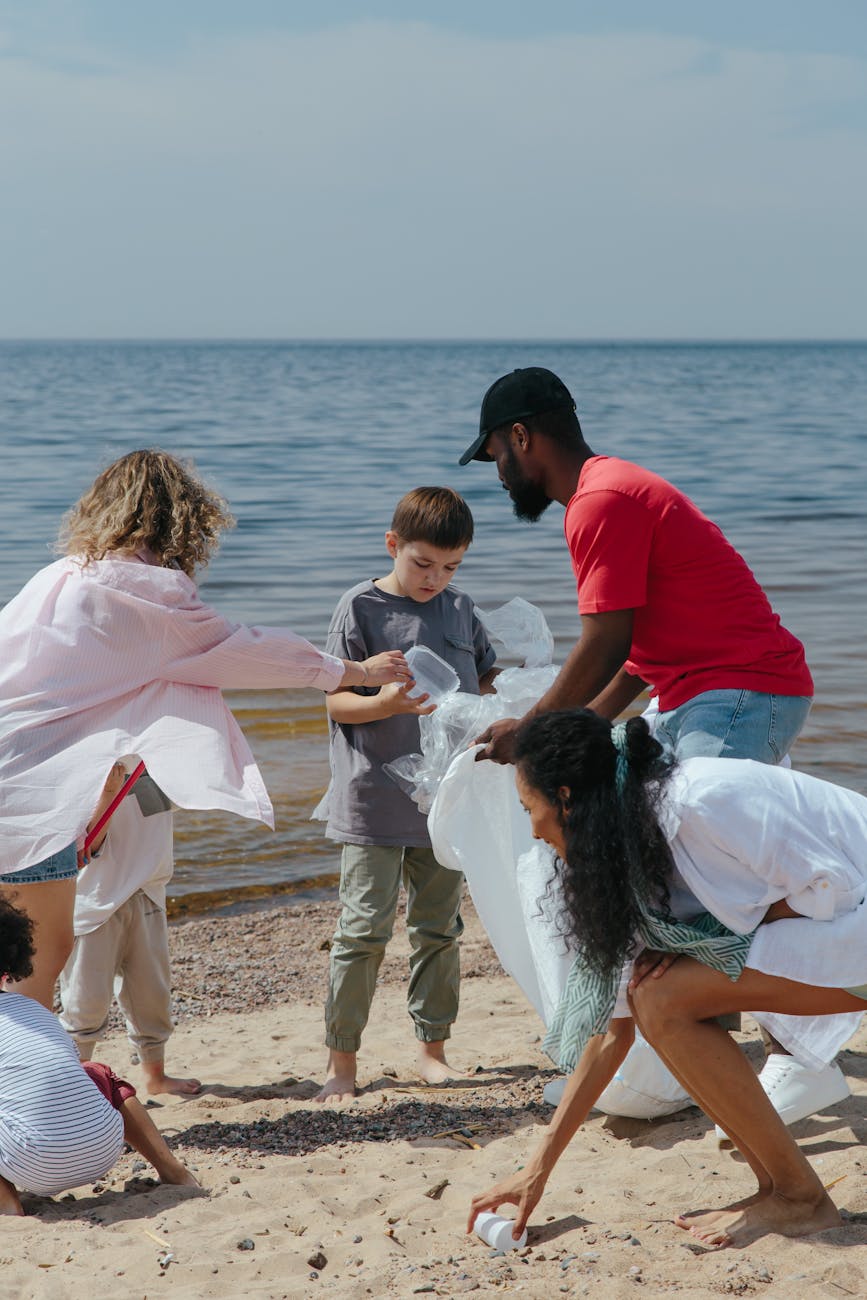
Possible volunteer opportunities include assisting at animal shelters, participating in food drives, helping with neighborhood cleanups, or creating care packages for those in need. Younger children can also engage in age-appropriate activities like writing cards for patients in hospitals or collecting items like toys and books for shelters. 

I particularly like the last two suggestions because these are things you often see taking place in elementary, middle, and high schools, so kids are likely familiar with these activities. They are “low-bar” entry activities in which to participate- almost anyone can do them. For example, writing cards to nursing home patients or participating in canned food drives, book drives, sock drives, etc. are all activities that any aged child can access.

A few other examples of volunteering that come to mind for me are:

  • Assembling Blessing Bags at home,
  • Organizing a neighborhood book drive or clean-up (organizing is a higher-level of engagement than participating),
  • Pulling weeds to beautify your church’s property, or
  • Collecting old towels and blankets for use at your local animal shelter.

Overall, volunteering or conducting any other form of service will be extremely rewarding for your gifted child and for you. Depending on your child’s age, it will take commitment on your part to help him or her; however, it will be worth it!

Have you ever embarked on a volunteer or service project at home with your child? What was it, and how did it go? Please drop a few lines or a pic in the comments so we can all get more ideas from each other. Happy helping! ~ Ann

Bonus Idea #4 for Summer Thinking Activities: Field Trip Fridays for Gifted Kids

Hello, again, and welcome back! Today, I’m writing about my 4th bonus idea to extend my article from last summer that I reposted a few days ago: My Favorite Things: Fun Summertime Activities to Challenge Gifted Kids.

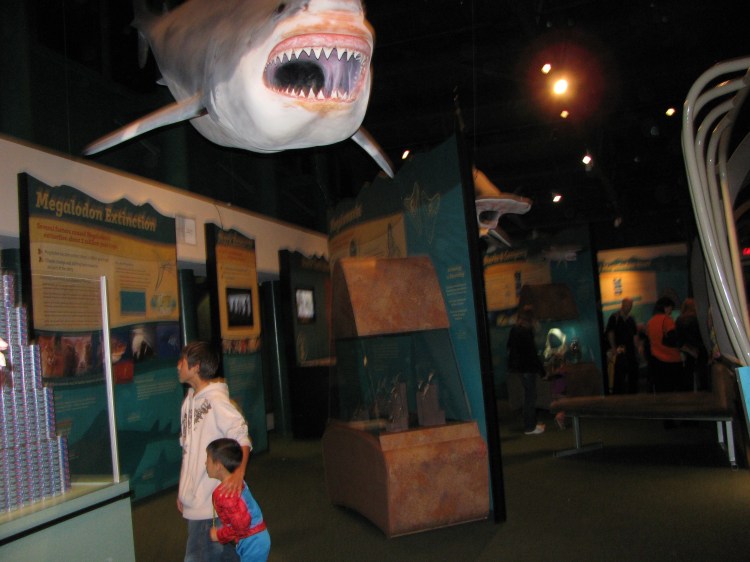
When my two oldest boys were young, I was a Gifted Resource Teacher, so I had every summer off to be with them. The only bad thing was that after a week or two of unstructured summertime every day, well… boys will be boys… and the wrestling, bickering, throwing footballs around the house, etc. would start. To avoid this from happening as much, I came up with an incredibly fun solution that kept them engaged in activities each day to get their energy out (while still preserving downtime each night, too). Maybe one day I’ll write about my Summer Fun Schedule, but for this post, I am focusing on one of the things we did each week- Field Trip Friday!

I’m sure you can guess what FTF was. Every Friday I would take the boys on a field trip to somewhere around town (or even to places within a 30-minute drive of our house) so we could see and learn new things. Usually, the places we visited were museums. I had no idea how many little, obscure museums we had in our area until I started looking for them! The only rule was that we had to go to a different place each week. Here was our routine:

  • leave our house in time to be at the museum for opening,
  • stay a few hours,
  • come back home,
  • eat lunch,
  • read for 30 minutes, and then
  • hit the neighborhood pool.

It was so much fun to explore all of these places (though I always felt bad that my husband had to be at work while we were gallivanting around town)! I do miss those FTF.

Now-a-days, there is a new program related to field trips through our local public library that was not around when any of my three boys were younger: Explore Virginia. This program allows library card holders to check out passes to various museums around the state of Virginia to visit for free (or close to it)! Based on the location of the museum you want to visit, the Explore Virginia program would be phenomenal for a family field trip/long weekend. I’m sure your own state might have something similar to this Virginia program.

On an even larger scale, there are 25 states that offer a State Passport Program for either free or for a small fee. The passport programs encourage families to visit their state’s parks, explore them, and collect stamps (either physically or digitally) for each park.

If you think that’s cool, on an EVEN larger scale, there is the National Park Passport Program (also called, “Passport to Your National Parks”), which is run by a non-profit, Eastern National and affiliated with America’s National Parks (Wikipedia has a good explanation of the program). The idea is the same as the State Passport Programs- go around to the country’s various national parks and collect stamps in your purchased passport book as a souvenir of your visits. I really wish my kids were young again so we could do all of these field trips together!

Hopefully, my “Field Trip Friday” idea inspires you to take a few field trips with your kids or whole family this summer (your trips don’t even have to be on a Friday or during the day- just whenever they fit into your week!). I think it’s pretty easy to see how gifted kids’ thinking can expand by the exposure to the new information they would learn from weekly museum excursions. In gifted world, we call this “enrichment,” which is when schools (or parents) provide experiences to students that go beyond the core curriculum/basic information. Taking little field trips isn’t the only way to provide enrichment, of course. In fact, every single summertime fun idea for challenging gifted kids I’ve shared is a form of enrichment. Enrichment builds background knowledge in children, and background knowledge helps students learn what we teach them in school more deeply (plus, enrichment is fun!).

So, what do you say? Are you ready for an adventure to a new museum, state park, or national park? Please share your trips details with me and drop a pic, too. I’d love to see where you went and how your kids liked the trip. Safe travels! ~Ann

Bonus Idea #3 for Summer Thinking Activities: In-Home Cake Wars with Gifted Kids

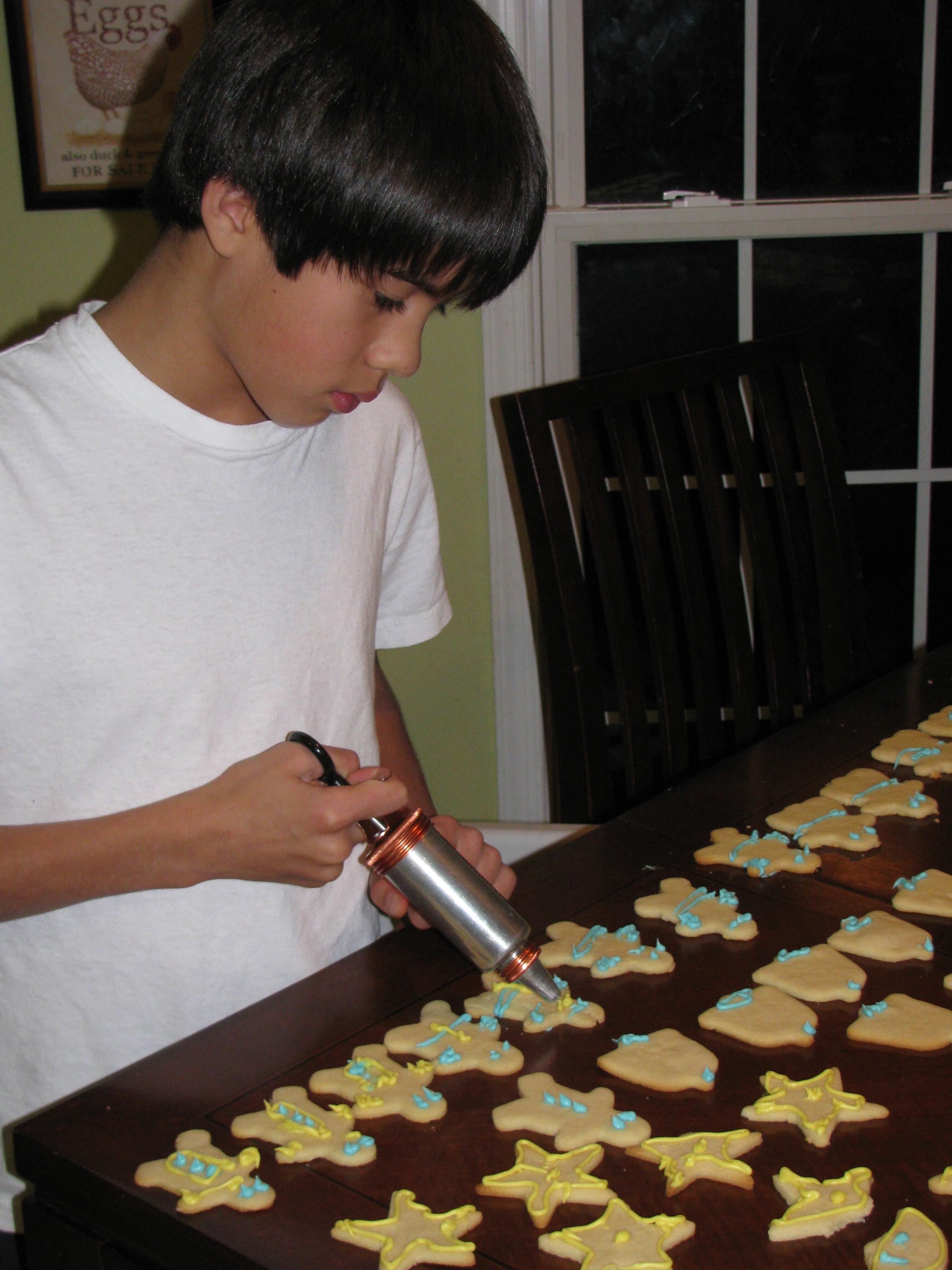
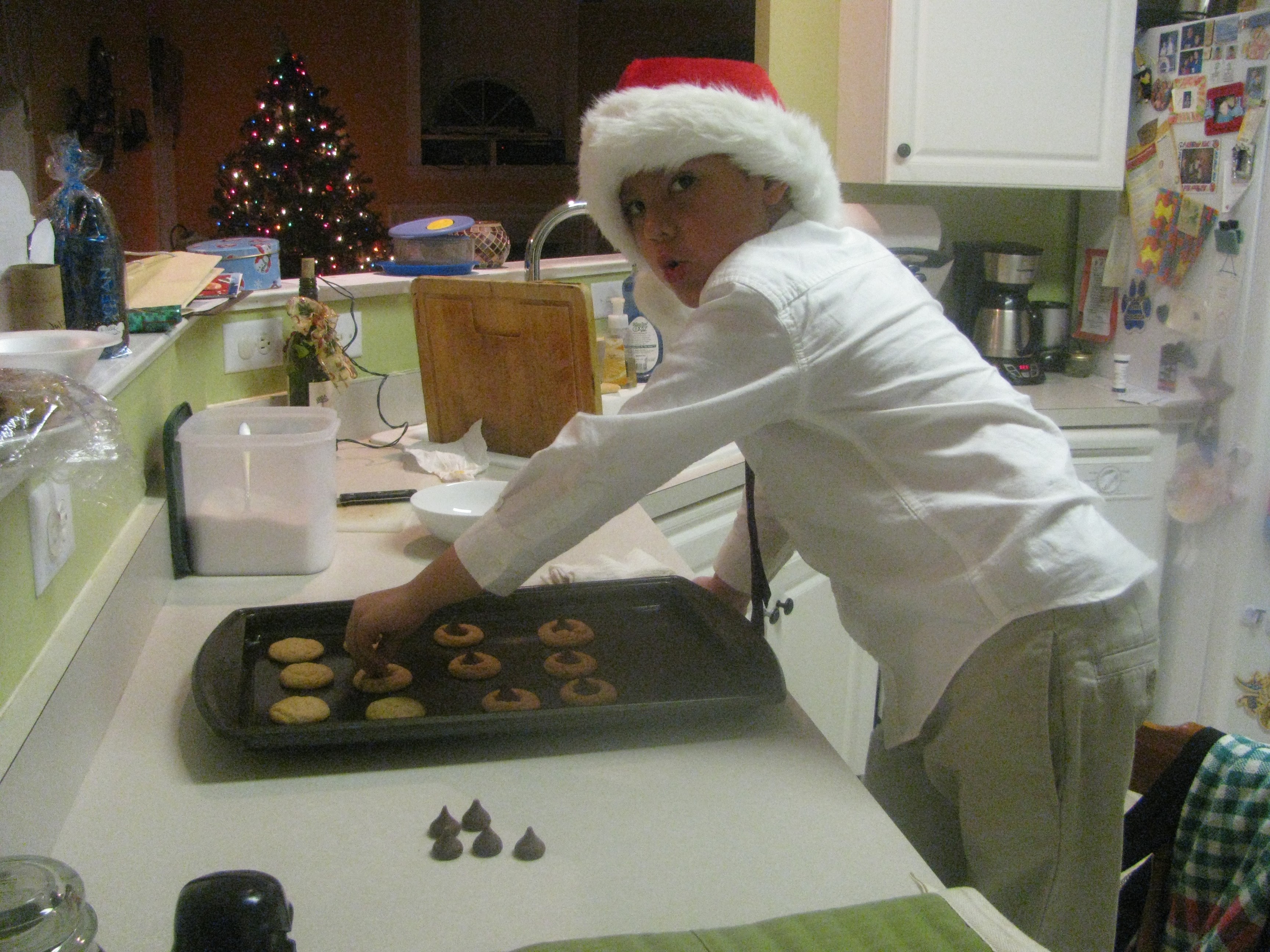
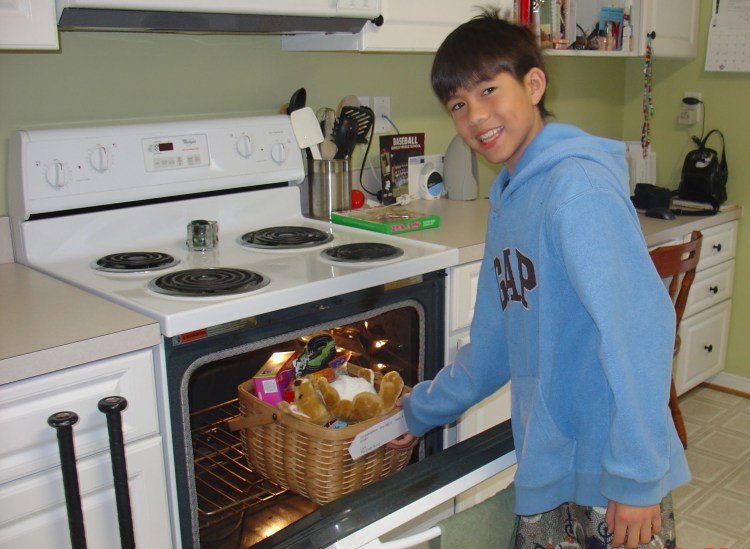
One evening, back in the summer of 2020, I walked downstairs to our family room, and a show I had never see before, Cake Wars, was playing on our TV. Our youngest son was streaming old episodes of this series. He was riveted to the TV, and soon, so was I, curling up on the couch to watch this fascinating display of baking prowess that played out in competition, televised long ago on the Food Network. After binging several episodes and feeling inspired to bake creatively, we briefly discussed the idea of us baking different kinds of cakes at home each week. Sadly, life got in the way as online COVID school was about to begin, and we never ended up doing that, though through the years, our boys have helped me bake many times (mostly cookies, as you can see).

Fast-forward 5 years, and he is now living away from home in his college town for the summer, binging things like Southpark when he’s not working or doing summer school classes. However, I stand by our original thought after binging Cake Wars– why not bake together at home? It doesn’t have to be cakes, of course. It could be cupcakes (Cake Wars was a spin-off of Cupcake Wars, after all), cookies (think Crumbl Cookies– there are actually copycat recipes for these types of fancy cookies online), pies- really anything your family wants to try!

Believe it or not, baking is a way for gifted kids to exercise thinking skills. When baking, they must naturally use mathematical thinking (measurement), creative thinking (designing and decorating), and problem-solving (why didn’t my cake rise?)- all in one FUN and YUMMY activity! If you really want to ramp things up, you could always put on a mini-baking war game of your own, and then your kids have to think strategically, as well!

So, what do you think? Are you ready to have your kids dabble in some baking this summer? Or, maybe you’re ready for an all-out family Bake-Off? Here’s a fun-looking baking kit for kids ages 6-12 you could try with your gifted kids, or maybe a more simple cake pops baking kit.

If you do have your kids exercise their baking skills this summer, tell me how things went, and, as always, please send pictures! Now, it’s time for ME to go bake chocolate chip cookies to bring to a friend’s party this weekend! Come back again tomorrow for Idea #4… ~Ann

Bonus Idea #2 for Summer Thinking Activities: Postcard Journaling with Gifted Kids

Two days ago, in my article “My Favorite Things: Fun Summertime Challenges for Gifted Kids,” I mentioned that I would share six new summer activity ideas to keep your gifted and high-ability kids thinking all summer. Today is Day 2 of my new ideas! Here goes…


Do you journal? When I was a teenager, I had a journal. My journal was a place for me to write down the things that were meaningful for me during the day, my dreams, quotes that I heard or read that I liked, and a place to keep magazine articles that I wanted to read again (ones that I cut out from Seventeen and Teen Beat, lol). I remember that it was something that I hid in my room between my mattresses because I didn’t want anyone to read it other than me. I actually still have one of those journals, and it’s great fun to read what teenage-me thought about back then!

Fast-forward 18ish years, to when our oldest boys were old enough to write. Journaling was one of our summer activities so the boys would have something to look back on to remember the things they did and how they felt. It also was a way to keep up their writing skills over the summer. As they got a little older, they started to gripe a bit about having to write “so much” (literally just a paragraph, but IYKYK 😊). We happened to be on vacation in Orlando, Florida during one of these gripe sessions, and that is where “Postcard Journaling” was born!

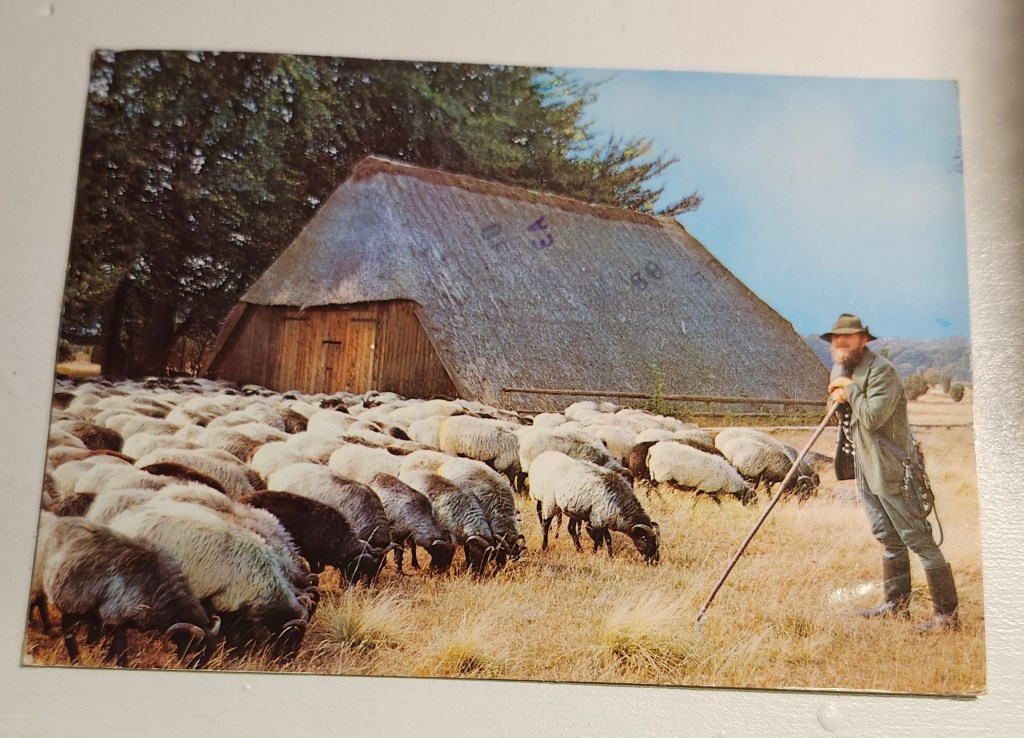
I like to think I invented postcard journaling, but I’m pretty sure I didn’t. The idea was that the boys would send postcards to their grandmas and grandpas and to themselves instead of writing in their journals. Each time we went somewhere during our vacation, the boys would each pick out a postcard, and later that night would write to whomever they chose. The next day, we’d mail it (I always bought a roll of postcard stamps to take with us on vacation; do they even sell rolls of postcard stamps anymore??).

Anyway, over the years, looking back at our postcards have brought us great joy! In fact, I started postcard journaling myself as a type of souvenir for our family. While writing this blog post, I realized that I’ve actually been collecting postcards my whole life and even have one from my dearly departed Aunt Emmy when she was visiting family in Germany back in 1978! I keep all of our postcards in a really nice basket on our bookcase shelf so that anyone can look through them whenever they want.

So, what do you think? Do you think that postcard journaling is something that your kids of all ages would like, or do you think they would prefer the traditional “writing in a journal” method of writing this summer? In the comments, let me know what you think and what your experiences with kid journaling has been!

P.S. If your kids prefer to use a real journal for journaling, here are three interesting ones I found on Amazon (as an Amazon Associate, I earn from qualifying purchases): Ages 5-7, Ages 8-12, Teenagers.


Bonus Idea #1 for Summer Thinking Activities: Scavenger Hunts with Gifted Children

Yesterday, in my article “My Favorite Things: Fun Summertime Challenges for Gifted Kids,” I mentioned that I would share six extra summer activity ideas to keep your gifted and high-ability kids thinking all summer. Today is Day 1 of extra new ideas! Here goes…


Have you ever gone on a scavenger hunt? Whether it’s Pokémon Go or something more professional (not affiliated) or organized (like Geocaching), using clues to search for a hidden treasure is exciting AND challenging to your brain!

When I was a kid, every Easter the Easter Bunny hid my brother’s and my Easter baskets somewhere in the house, and we had to solve a series of clues in order to find them. It was so much fun, and one of my fondest childhood memories. In fact, the Easter Bunny actually hid Easter Baskets by scavenger hunt for my three boys when they were young, as well!

You don’t need to wait until Easter to organize a scavenger hunt for your children- you can do a summer hunt! These types of hunts allow your children to be detectives and use their problem-solving skills in a unique way. To up the challenge level of the hunt, you could create themed hunts where the treasure and the clues are all related to a certain theme (ex. Baseball, Disney, a tropical island, etc.). The possibilities are endless! Once they try a few hunts that you made, you can then have them create scavenger hunts for you and their siblings or friends! Creating their own hunts is super-creative and will be a ton of fun! By the way, an inside scavenger hunt makes a terrific rainy-day activity!

So, have you ever created a scavenger hunt for your children? If so, please share what you did in the comments along with any pictures. Together, we can create our own treasure chest of scavenger hunt ideas. Happy hunting!

My Favorite Things: Fun Summertime Challenges for Gifted Kids

Hello, and Happy Summer 2026! I’m re-posting my popular summer 2024 article about fun ways to keep your gifted child challenged over the summer. As a bonus, in the next six days, I’ll re-post my popular EXTRA 6 challenge ideas for you for this summer, based on many years of my teaching and parenting experience. Parents- I hope you have a wonderful, enriching summer with your children! Teachers- same to you, and I hope these ideas might inspire you to adjust them for classroom use next school year! Happy reading, and don’t forget to come back each day for a new summer idea.

From Summer 2024…

Hello, and Happy Mid-Summer ’24! My Spring and early Summer was crazy-busy (the most exciting parts of it were our oldest son’s wedding and our youngest son’s high school graduation), but I’m super-happy to finally have a little bit of time to blog again.

Teachers, I know you were ready for a break from your jam-packed school year. Parents, I know you were equally ready to spend quality time with your children without having the demands of school schedules to impact your days. But, once we hit 4th of July, we are halfway through summer, and I’m sure 99% of parents are already hearing, “I’m bored!” from their kids, no matter how happy they are that it’s summertime.

So, what are things teachers might recommend to parents to keep their gifted or potentially gifted children THINKING for the rest of the summer? Here are a few of my favorite things that I used to share with parents back when I was a teacher of the gifted, though my ideas are appropriate for ANY child of ANY age. I also added a few newer ideas that I have, as well. (Please note: This article contains a few links to Amazon. As an Amazon Associate, I earn from qualifying purchases.)

Idea #1:

Join the Summer Reading Program at your local library. It goes without saying that an educator would recommend summer reading! 😊 Most public libraries offer so many free summer activities for children from birth through high school. Kids and teens can read to earn prizes, but there are also book clubs, story time, maker spaces, Lego clubs, guest speakers, crafts, movies, etc.- all offered through your public library. Encourage your children to read non-fiction books, too. Non-fiction reading helps to build background knowledge in your children that comes in VERY handy when they are learning new things in school.

Even if your library does not offer any summer programs for children, you can make up your own Family Summer Reading Program! Whatever you do, know that reading to, and with, your child for even a little bit EVERY SINGLE DAY is one of the biggest return-on-investments that you can get for your child’s future educational outcomes (by the way, you can even read to infants!). Reading and talking about what you read together matters. Cost: FREE

Idea #2:

Do a deep dive in an area of interest. To piggyback a little bit from my non-fiction reading suggestion, figure out a topic that your child loves, and do a deep dive into it. When my middle son was at the end of 2nd grade, he became OBSESSED with the Titanic. The first thing we did was go the library and check out as many books about the Titanic as we could find (even adult non-fiction books, which had great pictures with captions). He literally couldn’t focus on much else for a few months. He read and looked at pictures about the Titanic, he watched documentaries about the Titanic (this time period was the dawn of Netflix streaming!), and he built his own Lego ship model of the Titanic. We took it even one step further one night and had Titanic Night for dinner. I made a fancy meal, we dressed up, we used fancy china dishes that we set in our dining room instead of the eat-in kitchen, and we dimmed the lights and lit candles. We pretended we were rich passengers on the Titanic, eating dinner. It was so much fun! There were a ton of other things we could have probably done along this theme, of course, but what we settled on was so much fun!

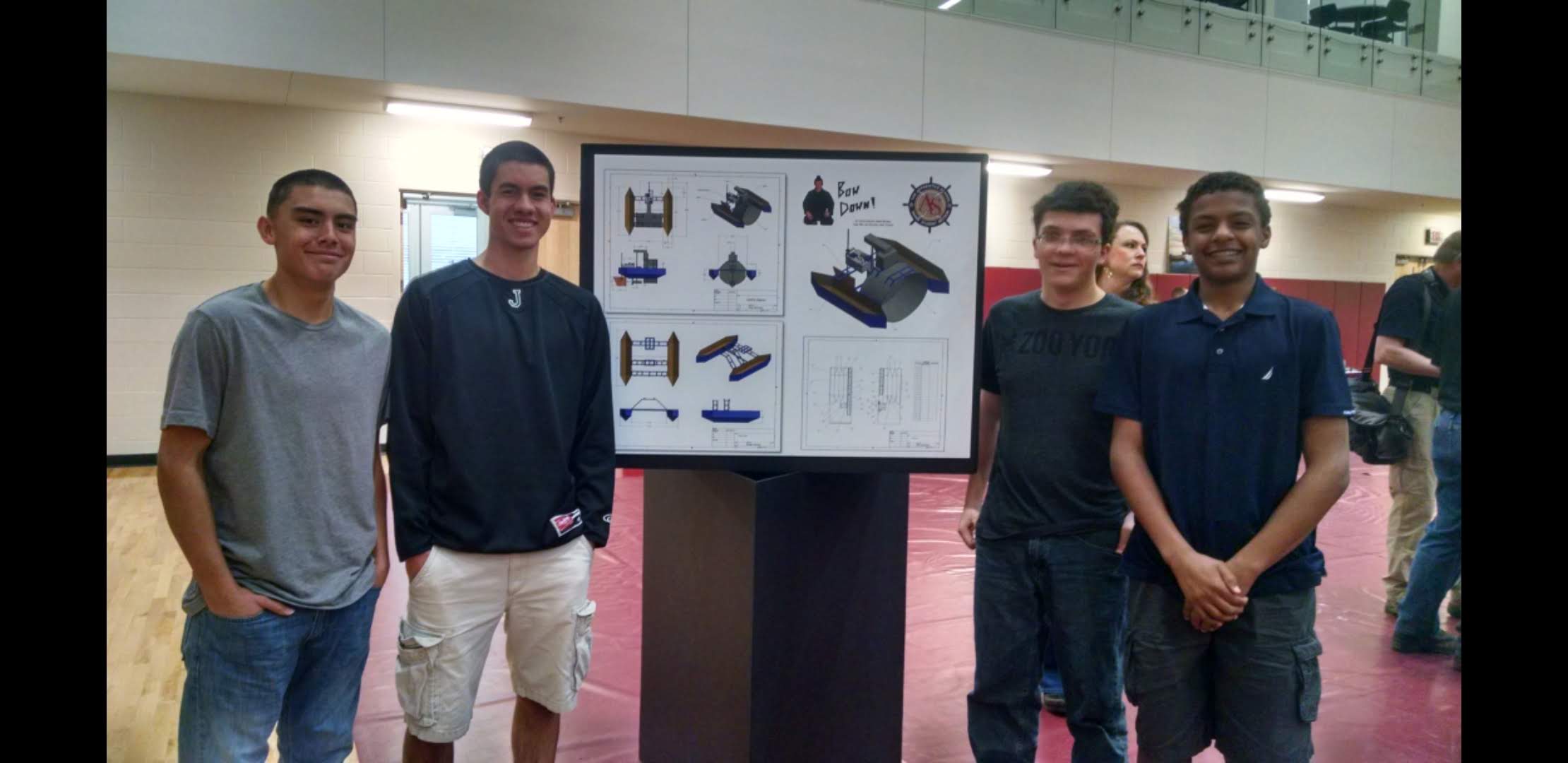
These deep “obsessions” with topics that young children have are often a manifestation of an academic strength area for children. For my son, his “study” of the Titanic at age 8 lead to a deep interest into World War II ships in the summer going into 8th grade (thank goodness for Netflix streaming again!). He spent that summer constructing models out of old aluminum siding strips from Grandpa Colorado’s garage, duct tape, and rivets using my husband’s riveter tool. Then, he would test their ability to float in his bathtub (he also dabbled in WWII plane construction, too). He had a little notebook of ideas that he kept with his designs. Once he got into high school, he took a CAD class (Computer Aided Design) and learned how to use that software to design things like boats. Through that class, he was part of a team competition on boat design for our whole region of schools. He ended up attending one of our country’s five federal service academies. Guess what his major was? Marine Engineering! Guess what he does now? He’s a Marine Engineer! It wasn’t the least bit surprising to my husband or me that this was his career choice. I’m not saying that every child’s early interests will lead to a career (I have the benefit of hindsight from which to draw the connections for my son). I AM saying that we should pay attention to (notice) and do something about (nurture) our children’s passion areas when it’s possible. Cost: FREE (other than scavenged scraps of materials and Netflix subscription costs)

Idea #3:

Play some good, old-fashioned board games– and some online games, too. Board games may seem hard to fit into family time during the school year, but summertime gives us a little more grace. Keep track of wins & losses all summer and you have yourself your own Family Tournament! Some of the board games I always recommended to parents to play with their kids were strategy games are listed below. (Please note: This section contains a few links to Amazon. As an Amazon Associate, I earn from qualifying purchases.)

  • Chess– The ultimate strategy game! I first taught my boys chess when they were in 1st grade.
  • Apples to Apples- Excellent for learning vocabulary and mastering the art of persuasion. The game comes in a junior level and an adult level, ages 12 and up.
  • Scrabble and Bananagrams– Vocabulary-building, spelling, and strategy game- all in one!
  • Set Game– Logic at its finest, and there is an online version of this game, too called “Daily SET Puzzle.”
  • Monopoly– Love it or hate it (it’s so LONG!), it is great for practicing money skills and gaining a foundational understanding of how real estate works.
  • Rush Hour- A fun spatial-relation building game that has varying levels of challenge at the junior level and ages 8+ level.
  • Jigsaw Puzzles- Building a regular puzzle on the dining room table also builds spatial-relation skills. There are also great online puzzles you can play each day for free through the New York Times if you make a free account (Soduku, Wordle, Mini Crosswords, Connections, and Strands).

Playing board games together as a family not only develops your child’s strategic thinking ability and skills, but it also deepens your family bond. (If you don’t already have these games, but would like to purchase them, please see my Amazon Affiliate page on Pinterest.) Cost: Free if you already own the games or borrow them

Idea #4:

Go on Family Field Trips. To me, ANY excursion out of the house can be turned into a field trip! 😊 A field trip just means going somewhere for an educational purpose, to observe or do something first-hand, in-person. You honestly could turn your weekly grocery run into a field trip if you include the right elements! Here is a brief example of how to do this:

Element #1: A purpose (to plan the best meals for our family this week using a $100 budget).

Element #2: Background knowledge (watch YouTube videos, talk to different people, read an article together, etc. to learn the best ways to plan meals and use a budget).

Element #3: Choose your destination that will serve the PURPOSE and USE the background knowledge gained (go online and find all of the grocery stores near you and maybe pick a new one to “explore” with your kids for this excursion).

Element #4: Go to the place you picked (go there, do the shopping and price comparison, buy everything, bring it home, and put it away; you could even talk to some of the managers or other grocery store workers in each department to learn about what they do).

Element #5: Process and apply the experience gained from the field trip (talk through what you all learned and make the specific plans to prepare the meals with the food you bought on your field trip).

Element #6: Share what was learned from the field trip (in this case, through the meals your children helped plan, shop for, and maybe even cook!).

Walla! You have a relatively instant field trip that you could throw together in 30 minutes. You could use those 6 elements for so many other family excursions, too!

Cost: Variable, depending on where your field trips are and if you buy anything there

Idea #5:

Create a small business. I know, you’re probably thinking that I’m crazy- my kid is only 12 years old, or 5 years old, or really, just a KID. However, think back to your own childhood. I bet that you- or someone you knew- or a cousin of someone you knew- had a lemonade stand in front their house at least once each summer. THAT is a small business! The sky is the limit now-a-days with the types of businesses kids can start and run, especially using the power of the internet. Why not spend time helping your child figure out what he or she might be able to make and sell or provide a service to sell. Dog walking? Bracelet making? Babysitting? Drawing portraits? Lawn mowing? The possibilities are endless.

While you’re at it, it wouldn’t hurt to help your child to start thinking about financial independence (FI). Quite honestly, our schools are not able to teach students everything that they need to know to access and leverage our economic system. Why not help them at home? A great place to start is with free Pre-K-Grade 12 Financial Literacy curriculum available from the ChooseFI International Foundation.  There are also really good books out there that you could read together with your older child. One I particularly liked was, First to a Million: A Teenager’s Guide to Achieving Early Financial Independence, by Dan Sheeks. He also created a companion workbook for teens to use called, First to a Million Workbook: A Companion Guide for Teens to Achieve Early Financial Independence. I read the book, then I gave it to our youngest son for Christmas a few years back. The author also has a robust online community to support teenagers on their journey to FI. Cost: Variable, depending on book purchases and supplies for business start-up costs

Idea #6:

Give your child Incubation Time each day. Okay, I’m sure you are wondering what on Earth is “Incubation Time.” In the creativity research, incubation time is time to do NOTHING BUT THINK AND DAYDREAM. This is a really novel idea in the 2020’s (and even further back, if we are being honest). In our pursuit to give our children all of the experiences and things we feel are necessary to set them up for a successful life, we have inadvertently over-scheduled them (and, I’m not pointing fingers because I was quite guilty of this, too, when my three boys were younger). People, especially kids, need time to do nothing each day. When we have downtime with nothing scheduled, our brain has a chance to actually process things we’ve learned and experienced. When that happens, all of a sudden our brain is able to solve problems that we might have been stuck on or think of new ideas that we never thought of. Downtime is not a waste of time at all- it’s an opportunity for creativity to emerge!

Just to drive home my point a little deeper, I believe that we are all familiar with the concept of downtime. However, as adults, we just have been using it differently- as “veg-out” time. We spend that time scrolling social media or binging Game of Thrones (guilty again 😊). There is a time and a place for veg-out downtime, but please don’t use it to REPLACE incubation downtime, especially for our children.

If you’d like to learn more about Incubation Time and what to do with the ideas that might spring forth from it from your children, there are books available that teachers use. In schools, many teachers tap into this concept of Incubation Time through the use of Genius Hour or Passion Projects. Here is a book that I have used to help teachers design Genius Hours in their classrooms, but parents could certainly use it at home, too: Ready-to-Use Resources for Genius Hour in the Classroom: Taking Passion Projects to the Next Level, by Andi McNair.

I think it would be fairly easy to run Genius Hour in your home during summer break. Cost: FREE, barring the costs for passion project materials that spring out of Incubation Time and if you purchase a Genius Hour book

So, there you have it. Six ideas that cost relatively little to implement and use but pay enormous dividends in family fun and keeping kids’ thinking skills and creativity skills sharp all summer long.

Do any of these ideas resonate with you? What ideas do you have for keeping your gifted child challenged and thinking during the rest of the summer? Please leave a comment for us and post your pictures of family enrichment here. I can’t wait to hear from you! Enjoy the rest of summer! ~Ann

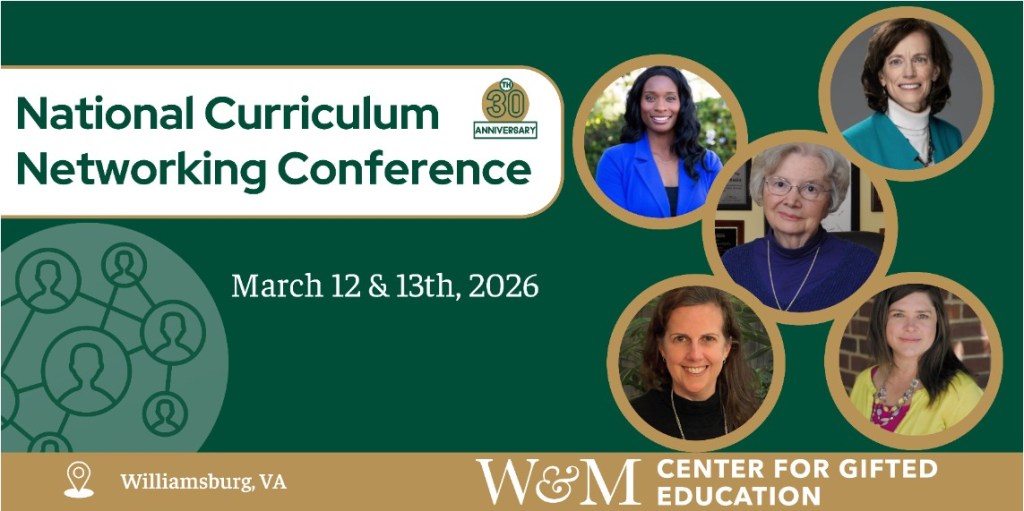
I’m Presenting at NCNC 2026!

From the W&M NCNC Website

Good morning! I’m very excited to announce that I will be presenting a session at the National Curriculum Network Conference at the W&M Center for Gifted Education on March 12, 2026! What is the NCNC? According to the NCNC website:

The Center for Gifted Education’s annual National Curriculum Networking Conference (NCNC) offers sessions on curriculum, instruction, programming, assessment, and advocacy for high-ability and gifted learners. NCNC also provides opportunities for networking and highlights of the newest materials, practices, and curriculum approaches that are responsive to the needs of advanced students.

My session, The Power of We: A Step-by-Step Guide to Gifted Program Planning with Stakeholders, is designed to help gifted coordinators, school leaders, and other gifted educators tap into stakeholder feedback, ideas, and support when planning for a variety of gifted programming. See the session description for more details.

If you are a gifted educator and will be anywhere near Williamsburg, Virginia on March 12th-13th, I highly recommend you attend this historically amazing gifted conference, especially because the Center for Gifted Education (CFGE) will be celebrating the 30th anniversary of the conference! Even more exciting, Dr. Joyce VanTassel-Baska, world-renowned gifted expert and the original Executive Director of the CFGE, will be at the conference on the 12th! If you come to the conference, please reach out and say, “Hi!” to me! ~Ann

Equity in Gifted Education Mini-Series Post # 9: Putting it all Together

Photo by Diva Plavalaguna on Pexels.com

I hope you were able to take away some helpful ideas and strategies to improve the identification of students from underrepresented populations from this mini-series. It was helpful for me to write it because it solidified the concepts I shared in my mind! Let’s briefly review the content I shared…

Looking Across the Research

When viewed together, the scholars highlighted in this series offer a cohesive vision for equity in gifted education. While their areas of focus differ, their messages align around access, opportunity, and responsibility.

Shared Themes

Across these contributions, several consistent themes emerge:

  • Broad and inclusive definitions of giftedness.
  • Strength-based and culturally responsive identification.
  • Rigorous curriculum that affirms student identity.
  • Leadership and advocacy grounded in equity

Moving Forward

Equity in gifted education is not achieved through isolated strategies. It requires sustained reflection, professional learning, collaboration, and a willingness to examine long-standing assumptions.

In Sum

Equity is not an initiative or a checklist. It is a mindset, a commitment, and an ongoing practice. There are tangible strategies to apply to gifted identification systems that will make a measurable impact in identification results.

Your Turn

Which ideas from this mini-series will most influence your thinking or practice moving forward? Share your reflections below and let’s keep the conversation going! ~Ann

Equity in Gifted Education Mini-Series Post #8: Dr. Joy Lawson Davis, Diversity Education, and Gifted Education

From the Arizona Alliance of Black School Educators Website

Dr. Joy Lawson Davis is a nationally recognized leader in diversity education and gifted education. Her work focuses on disrupting disproportionality through professional learning, systemic reform, and culturally affirming practices. See her website to learn more about her. She teaches at the college and graduate level, and speaks in conferences around the world. She is also a former Virginia educator and leader in gifted education back here!

Key Contribution: Equity-Focused Gifted Programming

Dr. Davis’s work centers on helping schools and districts design gifted programs that reflect the diversity of their student populations. She emphasizes the importance of educator mindset, professional learning, and systemic accountability.

Impact on Underrepresented Gifted Students

Her work supports:

  • Inclusive and culturally responsive identification practices.
  • Instruction that affirms identity and promotes high expectations.
  • Systems-level accountability for equity outcomes.

How Educators Can Apply This

Applications include:

  • Engaging in equity-focused professional learning.
  • Advocating for inclusive gifted policies and practices.
  • Centering student identity, voice, and belonging.

In Sum

Dr. Davis’s work underscores that equity in gifted education requires intentional design at every level.

Your Turn

I’ve had the privilege of hearing Dr. Lawson Davis speak at different conferences in Virginia. She always made me think about what my division could do better for our underrepresented gifted students. What systemic changes would most improve equity in your gifted programming? Share your ideas in the comments- I’d love to hear from you! ~Ann