
The article concludes a series on nurturing gifted children’s intellectual growth during summer. It suggests various hobbies like drawing, coding, and gardening that engage their creativity and critical thinking. Hobbies are important for brain development and fun, and there are many resources for parents to help their children explore new interests.
Author Archives: Dr. Ann H. Colorado
Bonus Idea #5 for Summer Thinking Activities: Volunteering for Gifted Kids
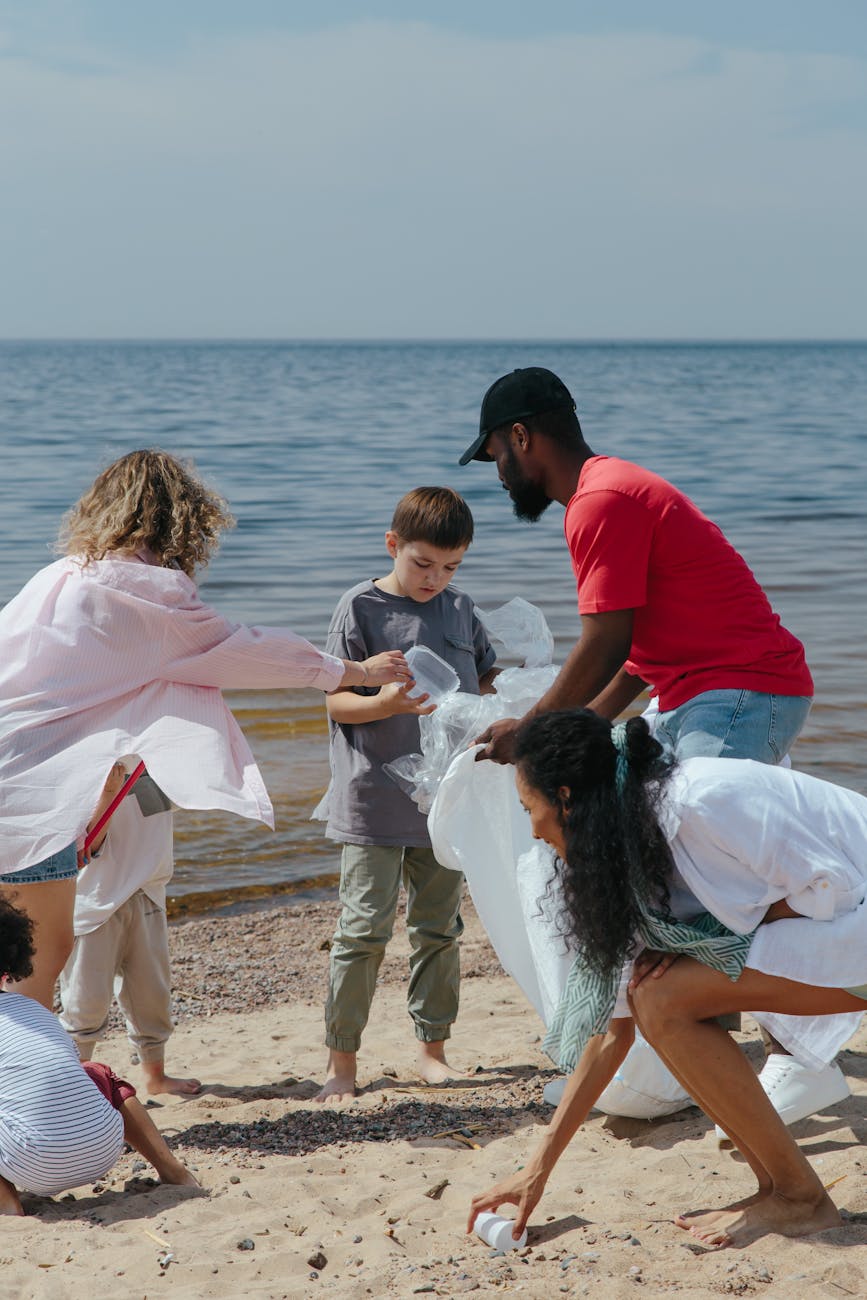
Volunteering, often overlooked as a summer activity, is beneficial for children, especially gifted ones. It fosters leadership, learning, and fulfillment. Engaging in age-appropriate service activities, such as helping shelters or organizing community projects, can make volunteering accessible to younger kids. Involving them early can enhance their development and commitment.
Bonus Idea #4 for Summer Thinking Activities: Field Trip Fridays for Gifted Kids

“Field Trip Friday” is a summer activity where I, a former Gifted Resource Teacher, took my sons on weekly museum visits to engage their minds and energy. It highlights the value of enrichment activities for gifted kids and mentions programs like Explore Virginia and national park passports that encourage family outings.
Bonus Idea #3 for Summer Thinking Activities: In-Home Cake Wars with Gifted Kids

In the summer of 2020, the author discovered the show Cake Wars, sparking a desire to bake creatively with their children. Although plans were derailed by the pandemic, the idea resurfaced years later, emphasizing baking as a fun way to enhance kids’ mathematical and creative skills. The author encourages family baking activities and sharing experiences.
Bonus Idea #2 for Summer Thinking Activities: Postcard Journaling with Gifted Kids
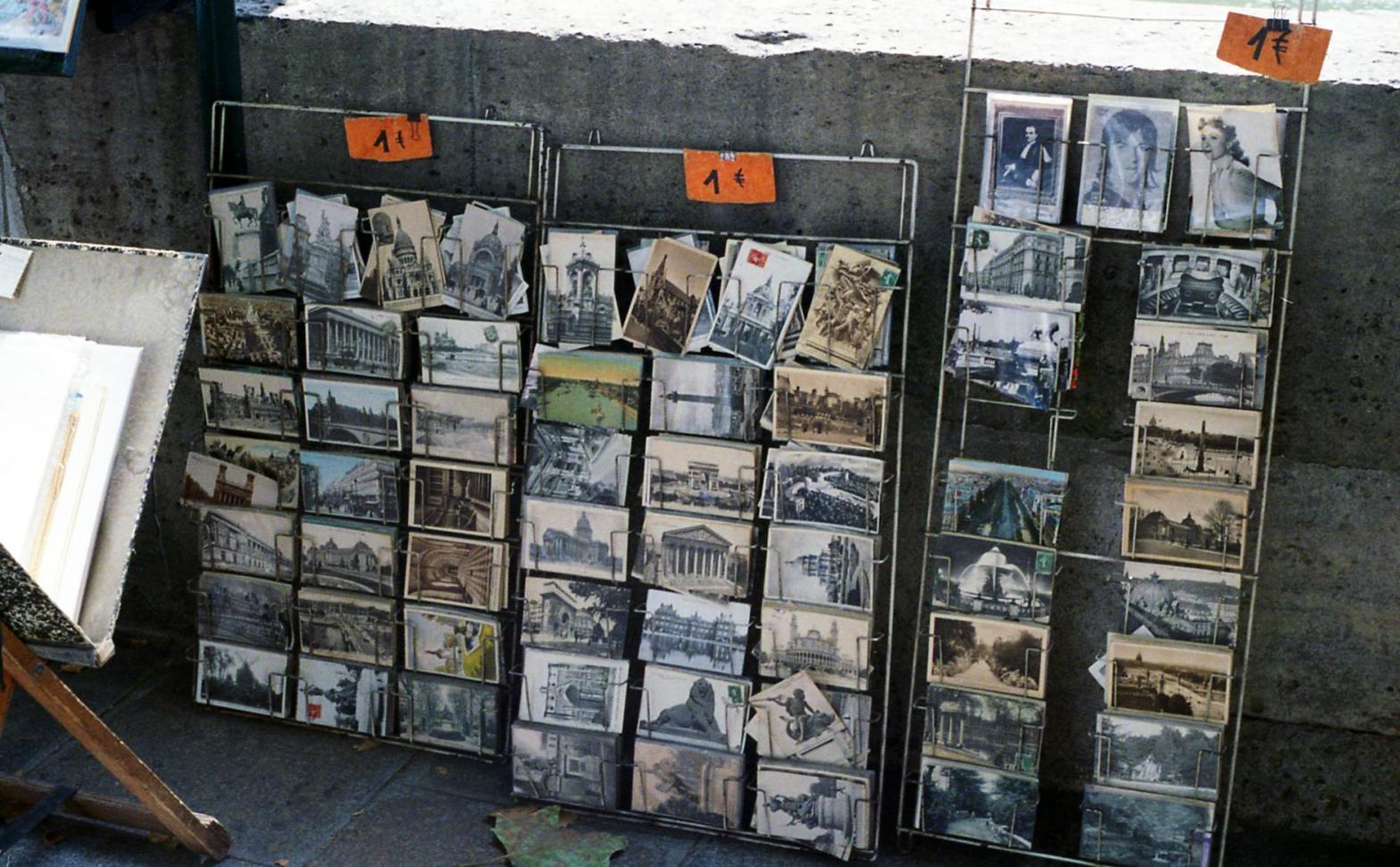
The article explores summer activity ideas for gifted kids, focusing on “Postcard Journaling” as a fun alternative to traditional journaling. The author shares personal experiences, emphasizing the value of writing postcards to capture memories. This approach engages children creatively while maintaining their writing skills and provides a joyful way to commemorate family vacations.
Bonus Idea #1 for Summer Thinking Activities: Scavenger Hunts with Gifted Children

The article introduces a series of six summer activity ideas for gifted children, starting with scavenger hunts. It highlights the fun and challenge of these hunts, which can be themed for extra engagement. The author encourages parents to create and share their own scavenger hunt experiences for collective inspiration.
My Favorite Things: Fun Summertime Challenges for Gifted Kids
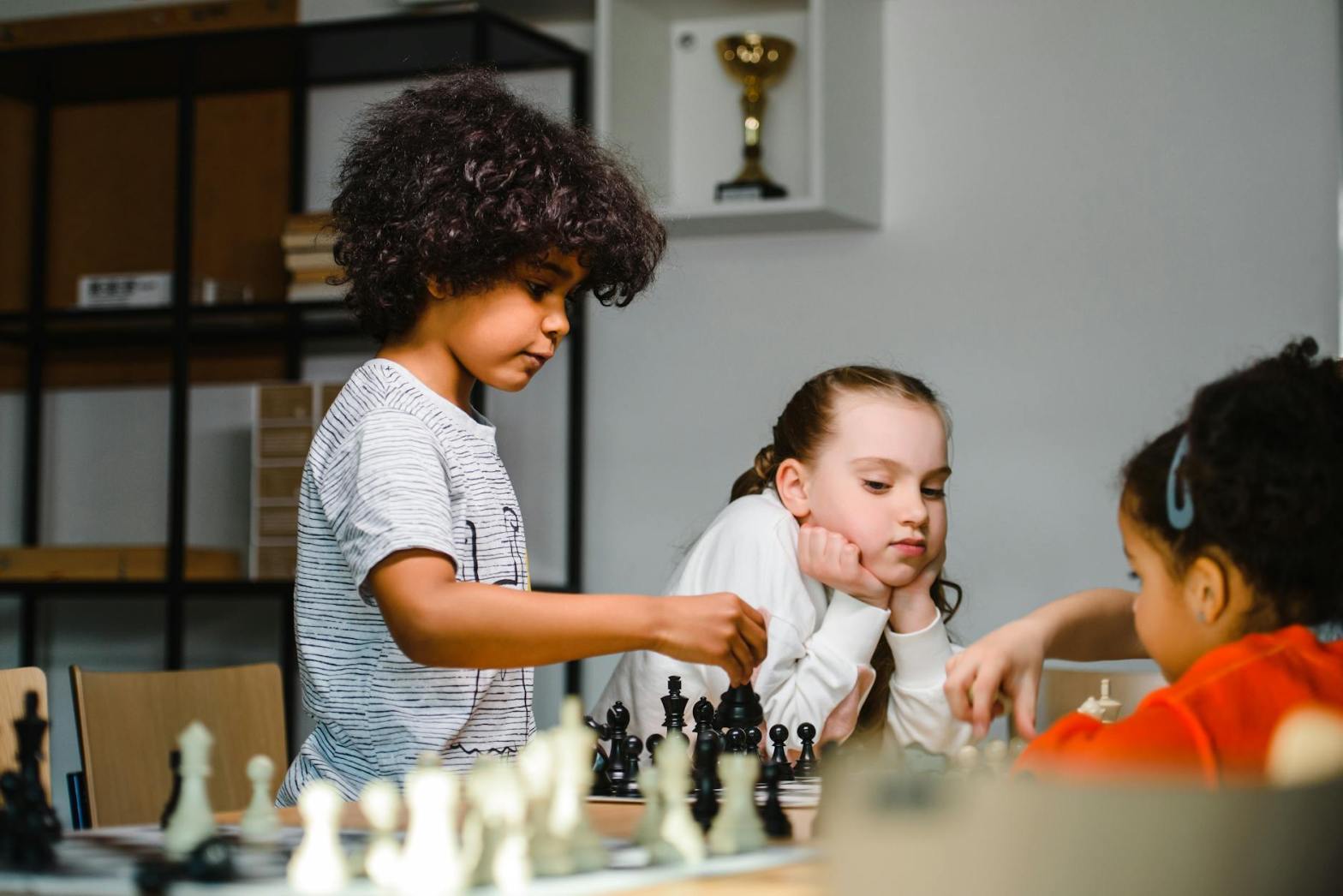
This summer post shares ideas for keeping gifted children engaged and challenged. It emphasizes summer reading programs, deep dives into interests, board games, family field trips, small business ventures, and the importance of “Incubation Time” for creativity. These activities promote learning, creativity, and family bonding, offering low-cost ways to enrich summer experiences.
I’m Presenting at NCNC 2026!
On March 12, 2026, Dr. Ann Colorado will present at the W&M National Curriculum Network Conference, which focuses on curriculum and programming for gifted learners. Her session, “The Power of We: A Step-by-Step Guide to Gifted Program Planning with Stakeholders,” aims to assist educators in involving stakeholders in planning gifted programs. The conference celebrates its 30th anniversary and features Dr. Joyce VanTassel-Baska.
Equity in Gifted Education Mini-Series Post # 9: Putting it all Together
This 8-part mini-series emphasized the importance of equity in gifted education through diverse scholarly contributions. Key themes include broad definitions of giftedness, culturally responsive identification, and rigorous curricula. Achieving equity requires continuous reflection, professional learning, and collaboration, framing it as an ongoing commitment rather than a mere initiative.
Equity in Gifted Education Mini-Series Post #8: Dr. Joy Lawson Davis, Diversity Education, and Gifted Education
Dr. Joy Lawson Davis is a distinguished leader in diversity and gifted education, focusing on equitable programming that reflects student diversity. Her efforts include promoting inclusive identification practices, high-expectation instruction, and systemic accountability. She encourages educators to engage in professional learning and advocate for inclusive policies to enhance equity in gifted education.

