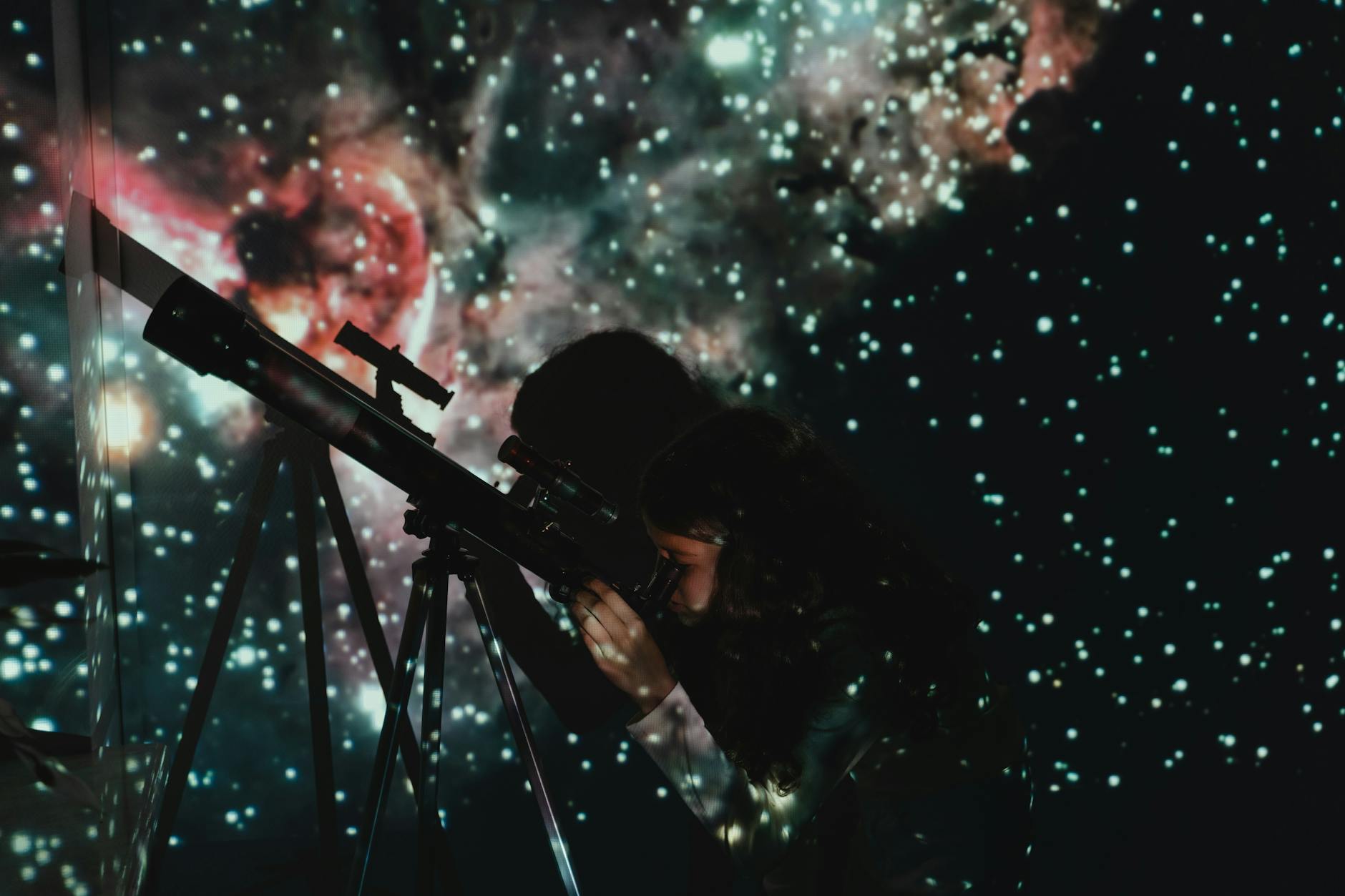
Gifted learners thrive when science curriculum connects big ideas in science with opportunities to think deeply about content, language, and meaning. Vanderbilt University’s Programs for Talented Youth has published two strong integrated science and ELA curriculum units that do exactly this. These units pair rigorous scientific concepts with meaningful reading, writing, and discussion tasks, making them especially valuable for gifted and advanced learners in elementary grades.
The units are:
- Interactions in Ecology and Literature (Grades 2–3)
- Space, Structure, and Story (Grades 4–6)
Both are grounded in research on gifted education and aligned to the Common Core State Standards and Next Generation Science Standards. (Routledge)
Introduction to the Curriculum
Rather than treating science and literature as separate subjects, Vanderbilt’s science units integrate scientific concepts with critical reading, discussion, and writing. Students explore phenomena, interpret texts, and apply scientific reasoning while engaging with literature, art, and informational texts. Each unit uses an essential concept to tie science content and language arts skills together, inviting students to make connections across disciplines.
Description of the Material
Interactions in Ecology and Literature (Grades 2–3)
This unit explores ecology and the concept of interactions among living and nonliving things. Students investigate questions such as Should animals be kept in zoos? and How do humans influence animal populations and habitat? while analyzing fictional and informational texts about ecosystems, food chains, and animal behavior. The curriculum features engaging literature, art, biographies, and multimedia sources to enrich scientific thinking (see the description at Routledge).
Students build understanding through:
- Science investigations of ecosystems and food webs
- Text-based discussions connecting ecological concepts to literary ideas
- Creative writing and argumentation about human impacts on environments
The unit blends science, ethics, and literature in ways that honor students’ higher-order thinking skills.
Space, Structure, and Story (Grades 4–6)
This unit focuses on Earth and space science through the lens of structure and systems. Students explore topics such as spacetime, gravity, the structure of stars and planets, and scientific ideas about black holes, blending them with science fiction, poetry, art, and speeches. Texts include a novel study of A Wrinkle in Time, science fiction by classic authors, and informational content about orbits, relativity, and space exploration. Students examine how scientific structures are described in texts and how those descriptions relate to evidence and scientific reasoning (see the description at Routledge).
Key features include:
- Inquiry tasks about gravity, orbits, and spacetime
- Critical reading of science fiction and informational texts
- Integrated writing tasks that require evidence-based explanations
How to Use It
Both units can be used flexibly across instructional settings:
- Gifted pull-out or enrichment groups: Integrate units over several weeks as interdisciplinary modules.
- Cluster or advanced classrooms: Use units to supplement core science or ELA curriculum with deeper, connected thinking tasks.
- Homeschool environments: Use as complete units or adapt lessons into thematic study cycles with hands-on activities.
Teachers can adjust pacing based on student readiness, allow small group discussions, and incorporate student presentations or projects to deepen engagement.
Why It Benefits Gifted Learners
These integrated units benefit gifted students by:
- Encouraging science reasoning with literature and discourse
- Promoting conceptual depth and transfer across domains
- Developing critical interpretation of scientific and narrative texts
- Supporting evidence-based writing and argumentation
Gifted learners often think in interdisciplinary ways, and these units honor that strength by weaving science content and literature analysis skills into meaningful, open-ended tasks.
In Sum
Vanderbilt’s Interactions in Ecology and Literature and Space, Structure, and Story curriculum units provide rich, integrated pathways for gifted learners to explore science and literature together. They help students build sophisticated scientific understanding while sharpening reading, discussion, and writing skills.
Your Turn Integration of content areas is a powerful way to enhance the rigor of curriculum. Have you used Vanderbilt University’s integrated science and literature curriculum in your gifted classroom or homeschool? How did your learners respond to interdisciplinary study? Share your experiences and tips in the comments below. We’d love to hear from you! ~Ann
 Teaching for Talent