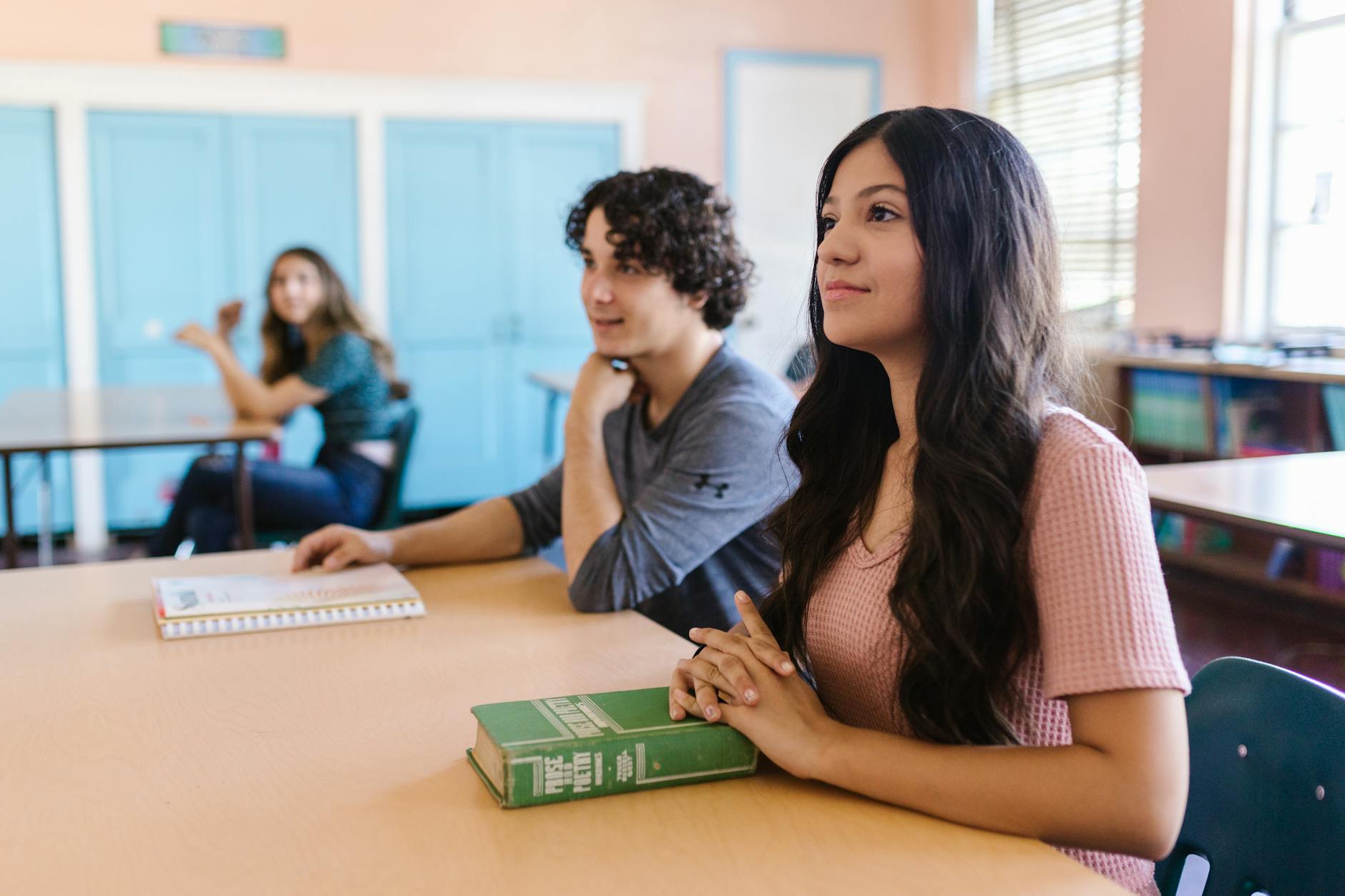
Self-contained classrooms bring together gifted students full time with a teacher who is specifically trained to meet their advanced learning needs. This model is designed for students who require a consistent level of challenge that exceeds what can reasonably be provided in the general education setting.
Because all students in the classroom are working at advanced levels, teachers can adjust pacing, depth, and complexity without the constraints of whole-class grade-level instruction (though even among a classroom full of gifted students, teachers must still differentiate). Curriculum can be compacted, enriched, and accelerated across all subjects. Many self-contained gifted programs incorporate problem-based learning, interdisciplinary studies, creative thinking tasks, and opportunities for independent investigations.
Self-contained gifted classrooms create a community of intellectual peers where students can feel understood, challenged, and supported. For many students, this environment improves motivation, engagement, and self-concept related to learning. It can also provide important social-emotional benefits for students who thrive when surrounded by peers with similar interests and thinking patterns.
However, this model requires thoughtful student selection processes, ongoing evaluation, and skilled teachers. Schools must ensure that placement decisions reflect readiness and need rather than parental pressure or perceptions of prestige. Additionally, the curriculum must remain dynamic so that gifted students continue to experience meaningful growth rather than simply being “busy” with enrichment. Self-contained classrooms can be a viable gifted programming option for students who demonstrate consistently advanced mastery across subjects (see this link to an abstract about a study done on this service model).
I used to teach self-contained gifted students in a gifted magnet school and in a school-within-a-school model (SWS). It truly was an amazing teaching and learning environment! A big downside to this service option is the cost of the program. Having a separate magnet school full of self-contained gifted students is expensive. It is also expensive in a SWS model since the gifted teacher often does not teach all subjects for the grade level; many models like this provide self-contained gifted classes for math and/or English, for example.
In any event, what do you think about self-contained gifted classes as a delivery of service model? Share you ideas in the comments below! ~Ann
 Teaching for Talent