Hello, and welcome to the sixth and final article in my bonus series of, “How to keep your Gifted Kid Thinking all Summer.” I’m so glad you dropped in on this article! Let’s dive in!
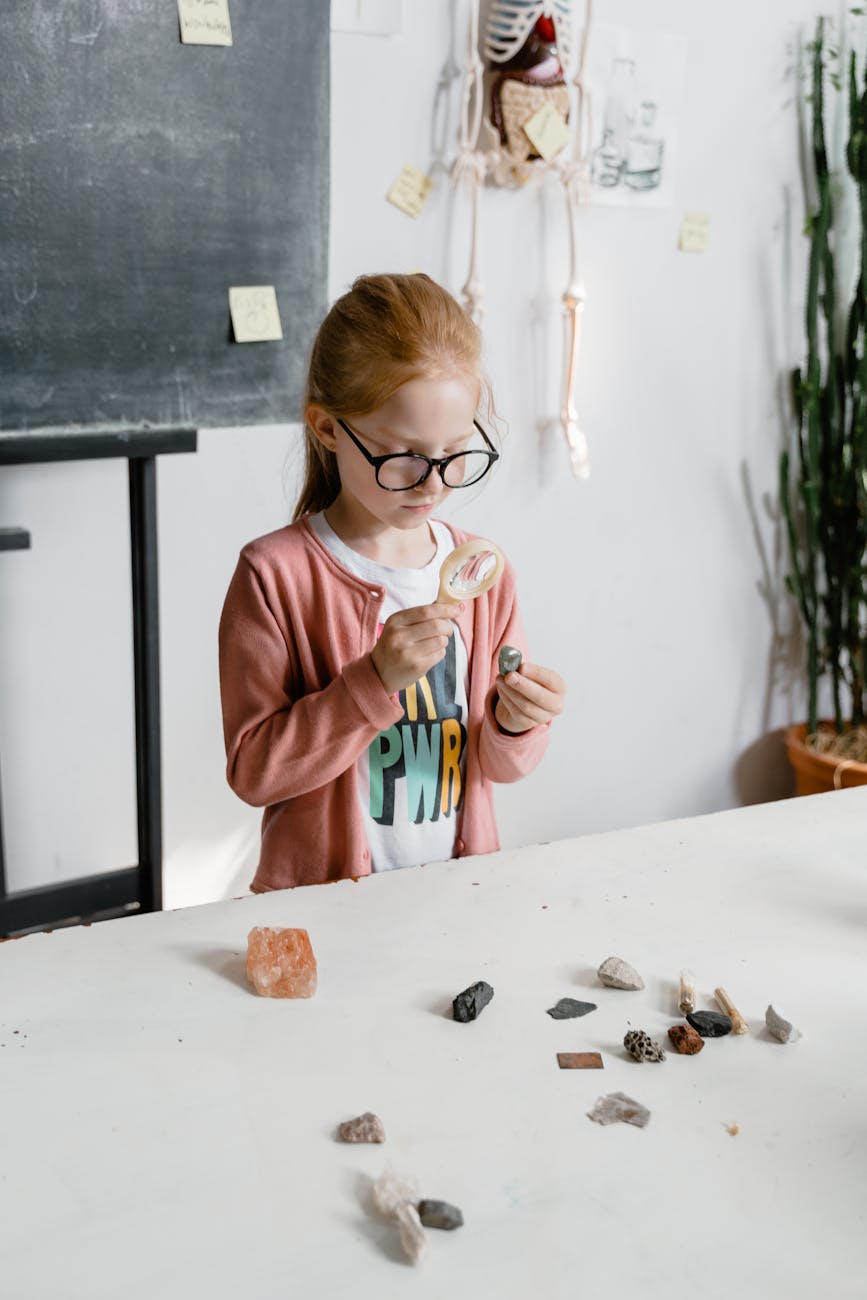
What do the following items have in common: crocheting, baseball card collecting, rock collecting, playing guitar, or baking? Do you give up? They are all potential hobbies that gifted kids could take up over the summer!
No time is better than the summer for kids- gifted or not- to try something new or explore an interest area more deeply. Sometimes, hobbies that kids develop in elementary and middle school grow into careers, businesses, or just regular hobbies when they become adults. My grandfather was an avid collector of international stamps, a hobby he started in his youth. I have fond memories of spending part of my summer vacation each year living with my grandparents in New York City. I would watch him pull out his stamp collection books each night to mount a new stamp or two that he got that day. He would tell me stories about the stamp or about the country from which it came. Collecting those stamps gave him hours of entertainment and joy!
Hobbies aren’t just fun, though; they are truly intellectual pursuits. Learning new things always helps synapses in our brains grow. In addition, each hobby- whether it’s collecting something or doing something- has its own set of built-in skills for kids to tackle, which keeps their brains sharp over the summer break.
So, what might be a good hobby for your gifted child to pursue? According to Google AI, here are some possible hobbies that are popular with kids in grades K-12 (Please note: This article contains a few links to Amazon. As an Amazon Associate, I earn from qualifying purchases.).
- Drawing – Drawing is a great way for gifted kids to exercise creativity. There are so many different styles of drawing, media for drawing, and subjects for drawing. For example, your child might love animals and decide that she wants to learn to draw cute, cartoon-like animals using pencil. She can do that! The possibilities are endless!
- Baseball card collecting – According to Wikipedia, baseball cards have been around since 1860, and collecting these little pieces of history has never gone out of style. Whether it is baseball cards, Pokémon cards, hockey cards, etc., gifted kids thrive on sorting and organizing their card collections, as well as memorizing facts and reading about the players or fictional characters depicted on the cards. Don’t know where to begin? There’s a book for that!
- Coding – Coding for kids has been a trend for a while now, especially since more and more schools are embedding national or state computer science and technology standards into their curricula (see Virginia’s for an example). My Google Search for researching coding for kids produced a terrific article with lots of great resources for introducing your child to coding at home:
For kids to learn coding at home, platforms like Scratch, Code.org, and Tynker offer engaging, visual, and block-based coding environments. These platforms allow kids to build games, animations, and stories, fostering creativity and problem-solving skills. Other options include CodeMonkey, which teaches real programming languages like Python, and Kodable, which provides a more structured curriculum for younger learners. [1, 2, 3, 4, 5, 6, 7]
Platforms for Different Age Groups and Skill Levels:
- Scratch (MIT): A free, visual, block-based coding language ideal for beginners aged 8-16, allowing kids to create interactive projects. [4, 8]
- ScratchJr: A simplified version of Scratch designed for younger children (ages 5-7), using a visual programming interface to create interactive stories and games. [9, 10]
- Code.org: Offers a variety of coding courses, including Hour-of-Code lessons, and is suitable for kids aged 4 and older, according to Coder Kids. [2]
- Tynker: A comprehensive platform with courses for various age groups and skill levels, including self-paced online courses for learning at home. [1, 3]
- CodeMonkey: A game-based learning platform where kids learn real programming languages like CoffeeScript and Python. [6, 11]
- Kodable: Offers a more structured curriculum with robust parental controls, making it suitable for both home and school use. [7, 12]
- CodeCombat: A text-based coding game that teaches Python and JavaScript. [13, 14]
- Swift Playgrounds (Apple): An app for iPad that uses a more sophisticated-looking interface and interactive puzzles to teach coding concepts. [8]
- Khan Academy: Offers basic programming tutorials, including a partnership with Pixar. [8]
- Bitsbox: Kids learn to code by modifying pre-made apps and can then use and share them on any device, according to Bitsbox – Coding for Kids. [15]
Tips for Learning at Home:
- Start with low-code or no-code options: Platforms like Scratch and Code.org use visual blocks, making it easier for beginners to grasp coding concepts. [16, 16]
- Make it fun and engaging: Use games, puzzles, and projects to keep kids interested and motivated. [2, 2, 16, 16]
- Encourage creativity: Let kids design their own games, stories, and animations. [5, 5, 10, 10]
- Provide a structured learning path: Consider platforms like Tynker or Kodable that offer organized courses. [1, 1, 12, 12]
- Consider live online classes: For personalized guidance and support, explore platforms that offer live online coding classes for kids. [17, 17, 18, 18]
- Utilize free resources: Many platforms offer free introductory lessons and tutorials to get started. [8, 8, 19, 19]
- Practice regularly: Consistent coding practice is key to developing skills and building confidence. [7, 20, 20, 21, 22]
- Join online communities: Connect with other young coders for support, inspiration, and to share projects. [20, 20, 23]
References (AI responses may include mistakes, but all links worked as of publishing time.)
[2] https://www.coderkids.com/blog/top-10-free-coding-programs-for-kids
[3] https://www.northshoremums.com.au/home-learning-amazing-online-education-websites/
[4] https://www.create-learn.us/blog/coding-platforms-for-kids/
[5] https://www.create-learn.us/blog/how-to-teach-kids-programming/
[6] https://www.codemonkey.com/
[8] https://abqlibrary.org/kidsathome/freecoding
[9] https://www.codewizardshq.com/coding-for-kids-free/
[10] https://www.jetlearn.com/blog/kids-coding-languages
[11] https://itsmybot.com/top-coding-programs-for-kids-in-2023/
[13] https://www.codewizardshq.com/coding-websites-for-kids/
[14] https://www.98thpercentile.com/blog/codecombat-for-kids
[15] https://bitsbox.com/
[16] https://www.create-learn.us/blog/intro-to-coding-for-kids/
[17] http://www.futurite.in/coding-online/
[18] https://www.hopeinthechaos.com/computer-coding-for-students-from-codewizardshq-review/
[19] https://www.linkedin.com/pulse/30-free-best-online-learning-platform-kids-edvon
[20] https://www.geeksforgeeks.org/how-to-learn-programming/
[21] https://www.softwareacademy.co.uk/the-best-tools-and-platforms-for-game-coding-for-kids/
[22] https://emeritus.org/in/learn/what-is-coding/
[23] https://griffpatch.academy/
- Playing a musical instrument – The brain research behind playing a musical instrument is robust (here is a short TED-Ed Talk about the benefits to the brain from playing a musical instrument). Just like with drawing, there are endless possibilities of musical instruments that your gifted child could play. Here is a fun little instrument for anyone to play: the musical spoons!
- Gardening – Nothing gets kids connected to the earth more deeply than gardening. Whether it’s a tiny window garden or a large, raised garden bed, many kids love getting their hands in the dirt and nurturing flowers or vegetables to grow. It goes without saying that there are tons of science lessons inherent to gardening, as well. Why not have your child try a little gardening this summer with a windowsill grow kit?
- Reading – Reading was my absolute favorite hobby all throughout my childhood and teen years, and honestly, it still is (I once read the first 25 books in the Nancy Drew series when I was home for 2 weeks after tonsil surgery in the 2nd grade!). Reading can be a completely free hobby with a library card, and it allows gifted kids to transport themselves into other worlds, places, and experiences (vicariously, of course).
So, which of these hobbies might be good for your child to keep him or her thinking all summer long? What other hobby ideas do you have? Please post them here!
I have enjoyed sharing my six bonus ideas with you to help you keep your gifted child thinking all summer long. I wish you and your family the happiest of summers, and please feel free to reach out with any thoughts, ideas, or questions. Happy summer!! ~Ann
 Teaching for Talent